Vance Trip for Iran Peace Talks Delayed, Summoned to White House
Vance Trip for Iran Peace Talks Delayed, Summoned to White House
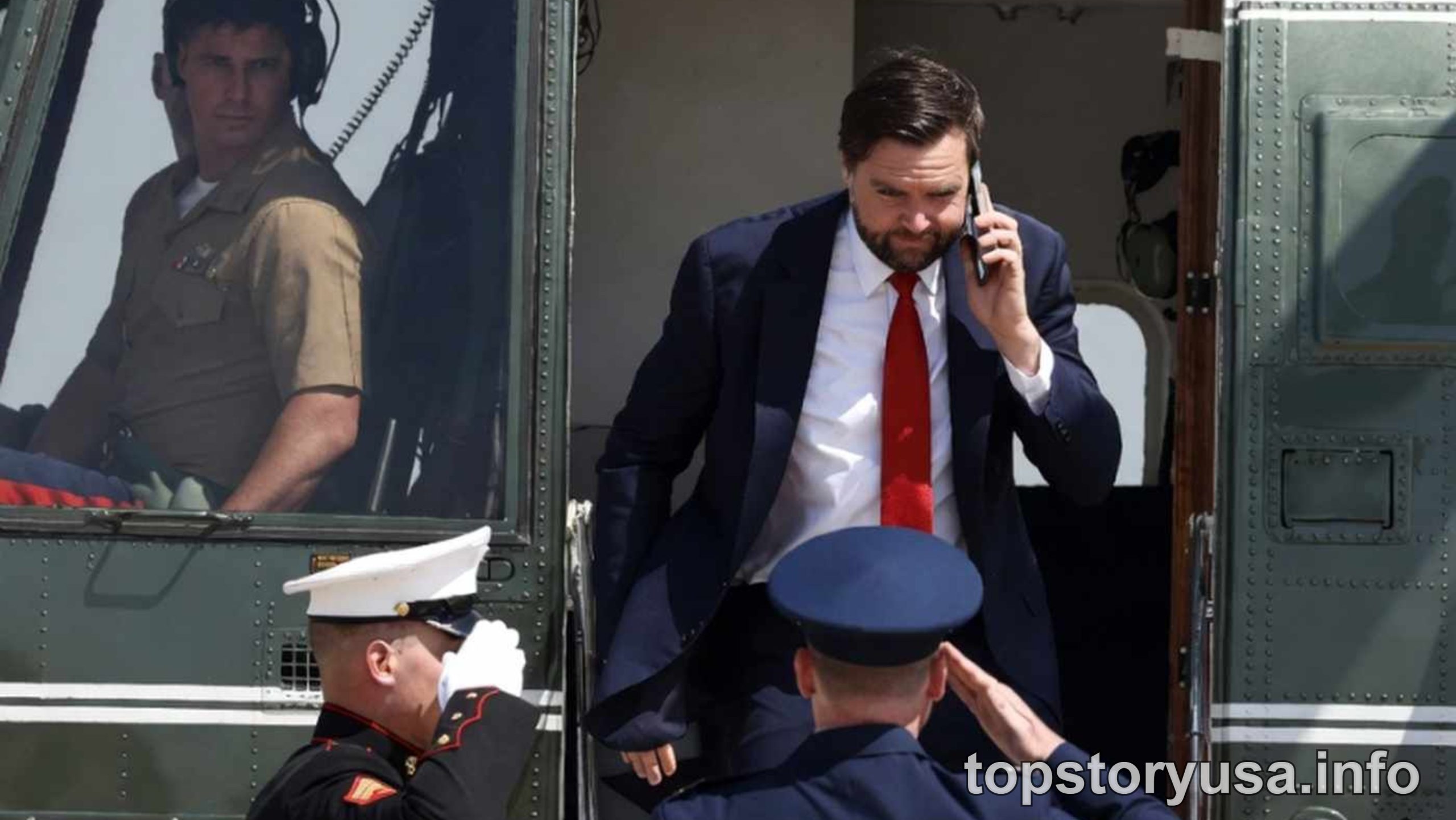
Vice President JD Vance was summoned back to the White House on Tuesday, delaying his planned trip to lead U.S. negotiations with Iran in Islamabad amid uncertainty over Tehran’s participation in the talks.
Vance was scheduled to board a plane and head a U.S. negotiating team in Pakistan’s capital but was unexpectedly called back for policy meetings at the White House. CNN’s Alayna Treene reported that the trip’s status remains unclear, with officials unsure whether it will proceed at all.
“We don’t know if this trip is definitely off,” Treene told anchors Wolf Blitzer and Pamela Brown. “All we do know is that it is definitely delayed and that we should expect to see now the vice president at the White House for meetings today, not leaving this morning on that plane as we had previously reported.”
Earlier Failed Negotiations
Vance led a similar mission to Islamabad earlier this month alongside special envoy Steve Witkoff and Trump adviser Jared Kushner. The talks ended without agreement after Iran refused to commit to abandoning its nuclear weapons program, which the U.S. had sought as a central condition.
“The bad news is that we have not reached an agreement,” Vance said following those talks. “And I think that’s bad news for Iran, much more than it’s bad news for the United States of America.”
Current Blockade and Ceasefire Status
The U.S. military has increased pressure on Iran by blocking maritime traffic in the region. U.S. Central Command reported on Tuesday that American forces have directed 28 ships to turn around or return to port.
A two-week ceasefire between the U.S., Israel, and Iran is set to expire Wednesday, with President Trump signaling he does not intend to extend it. “I don’t want to do that. We don’t have that much time,” Trump told CNBC, adding that Iran could improve its position through negotiations.
Iran’s Uncertain Response
As of Tuesday evening, Pakistani officials said they were still awaiting formal confirmation from Iran that it would send a delegation to the Islamabad talks. Pakistani Information Minister Attaullah Tarar stated that mediators remained “in constant touch” with Iranian officials about the “critical” negotiations.
Iranian President Masoud Pezeshkian criticized the U.S. approach on social media, writing that American understanding of Iran’s position was “even lower than Trump’s level of understanding and comprehension.”
Diplomatic Efforts Continue
U.S. Chargé d’Affaires Natalie Baker met with Pakistani Deputy Prime Minister Ishaq Dar on Tuesday to discuss ongoing diplomatic efforts. Dar stressed that dialogue and diplomacy were the only viable paths to regional peace and urged both the U.S. and Iran to extend the ceasefire and pursue negotiations.
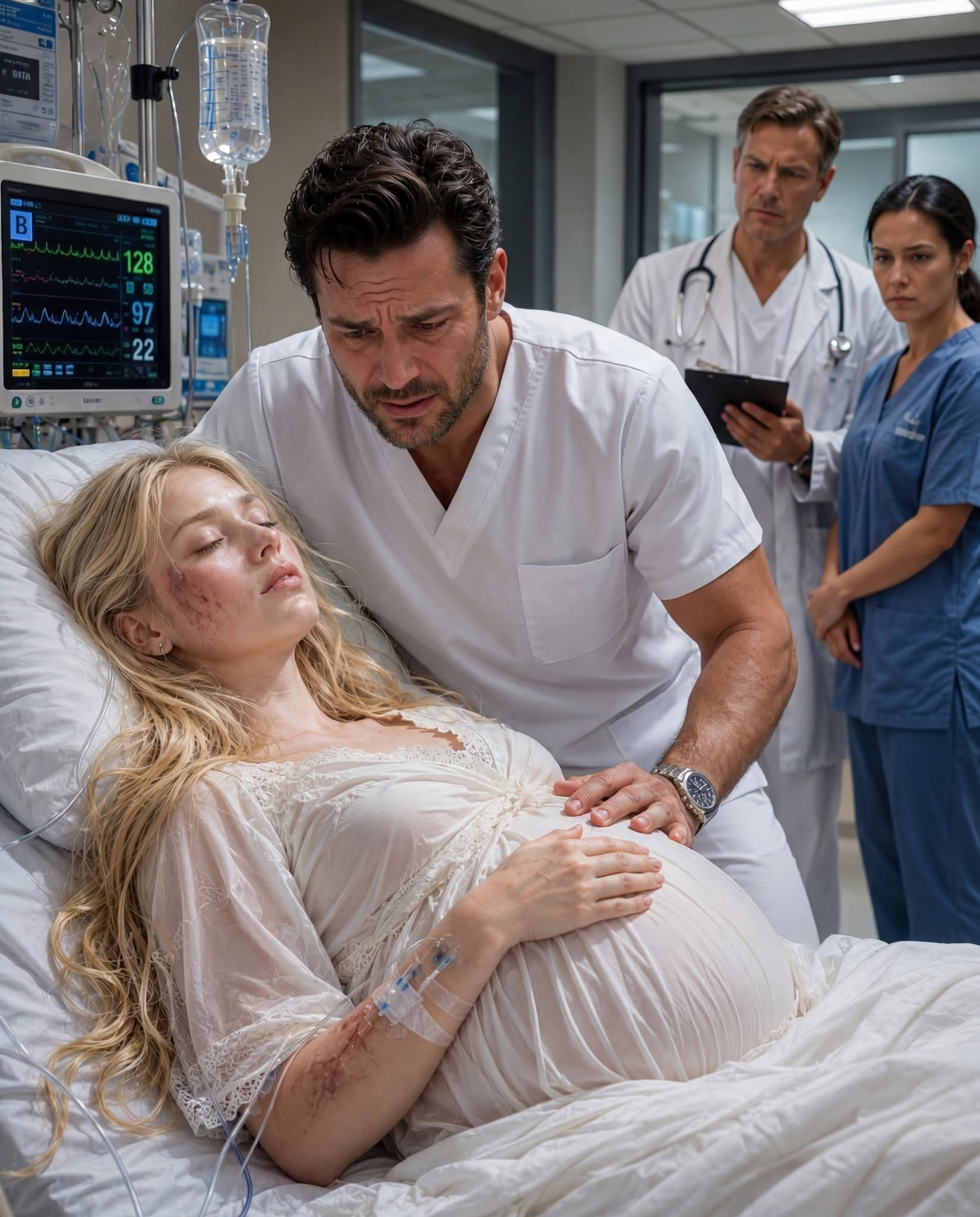
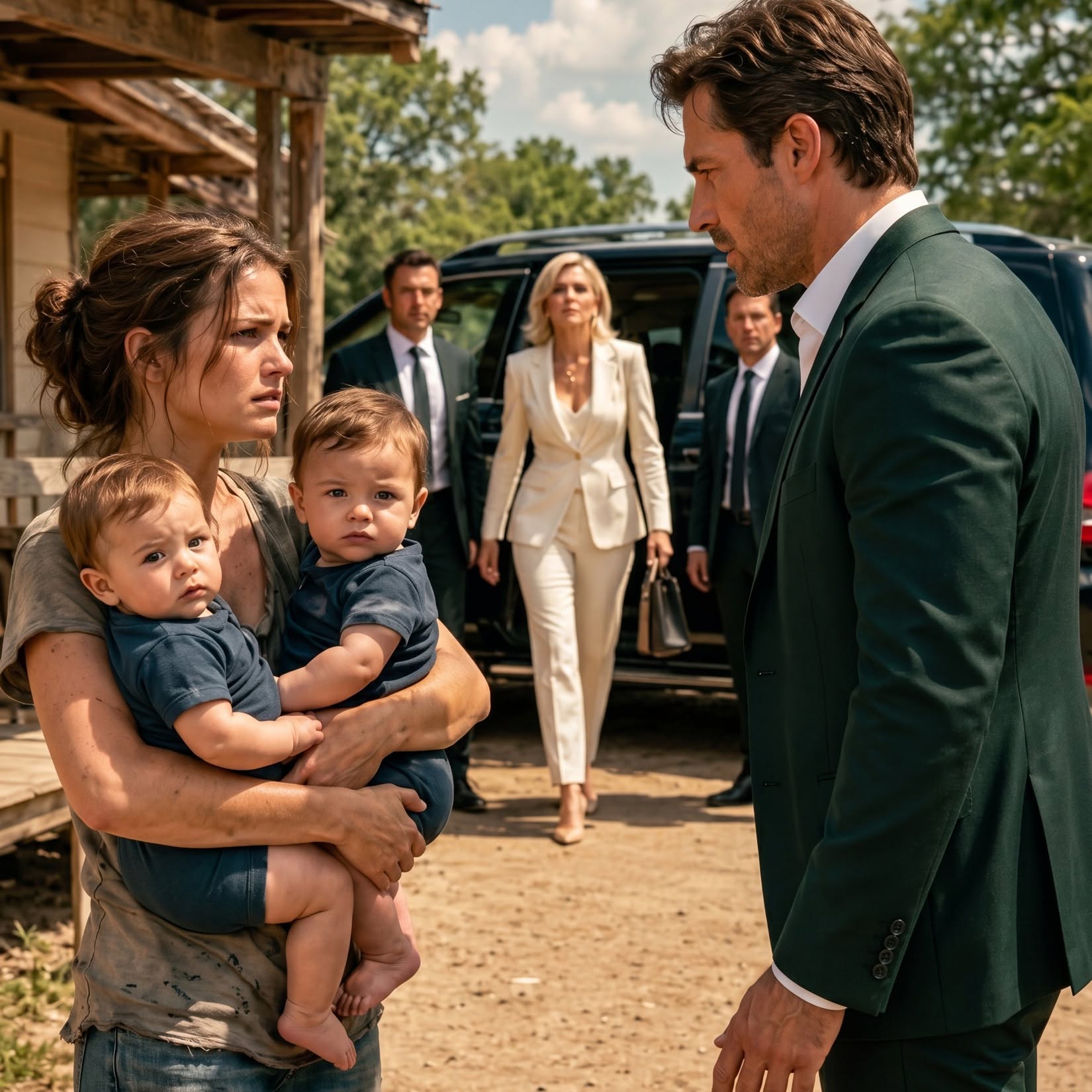
At my cousin’s wedding reception, my mother ordered me to stand so my sister could take my chair. I was eight months pregnant, while my sister had only been pregnant for two months. I said no, and seconds later my father kicked my chair so hard that I fell backward, hit the floor on my belly, and went into early labor in front of everyone.
Bridget’s wedding reception was supposed to be one peaceful evening. The ballroom glowed with amber light from crystal chandeliers, the tables were covered in ivory linens, and every corner of the room felt warm, expensive, and full of celebration. I was seated near the middle of the room, trying to enjoy dinner while quietly managing the weight and discomfort of being thirty-two weeks pregnant.
By that point, sitting down was a relief and standing up was a process. My ankles were swollen, my back hurt constantly, and I had to plan even the smallest movement. My husband Daniel had stepped outside to take a work call from his car, something urgent he promised would only take a few minutes. I watched him leave, then turned back to my plate and tried to relax.
That lasted until my family arrived.
They came in late and loud, the way they always did. My mother’s laugh carried across the ballroom, sharp enough to cut through the music. My father followed behind her, nodding at relatives with his usual stiff expression. My sister Olivia walked between them, one hand resting on her small bump, making sure everyone noticed.
She was only two months pregnant, but my parents had already turned her into the center of every room. People congratulated her as she passed, and she accepted it with that sweet little smile she used whenever attention landed exactly where she wanted it.
I lowered my eyes, hoping they would keep moving.
Instead, my mother came straight to my table.
“Well,” she said, looking down at me. “There you are.”
“I’m at my assigned seat,” I said, trying to keep my voice polite.
She ignored that and looked around the table. A few chairs were empty because guests were dancing, visiting, or standing near the bar. Olivia stayed behind my mother, her hand still pressed against her stomach.
“Your sister needs to sit,” Mom said.
I nodded toward the empty chairs. “There are seats right here.”
“She needs yours.”
For a moment, I honestly thought I had misheard her. “Mine?”
My mother’s mouth tightened. “Yes. Get up.”
I placed a hand on my belly. “Mom, I can’t just jump up. I’m eight months pregnant.”
Her voice dropped lower. “Do not embarrass me. Your sister needs that chair.”
Daniel’s sister Monica leaned forward slightly. “There are other chairs available.”
My mother did not even look at her.
I took a breath. “Olivia is only two months pregnant. I’m thirty-two weeks. I need to stay seated.”
Under the table, my mother’s heel came down hard on my foot. The pain was sharp and deliberate. Her face stayed calm, but her voice turned icy.
“I said get up.”
Something inside me finally refused. Maybe it was exhaustion. Maybe it was the baby. Maybe it was years of being expected to move aside whenever Olivia wanted something.
I pulled my foot back and looked at her directly.
“No.”
The table went quiet.
My mother looked at my father.
I felt him step closer behind me, but I did not have time to turn.
His foot struck the back of my chair with brutal force. The chair jerked backward, tipped, and went past the point where I could save myself. My hands flew toward the table, but I was too off-balance.
Monica screamed.
I fell hard onto the floor, my pregnant belly taking the impact before I could fully twist away. Pain tore through me, deep and terrifying. A warm rush spread beneath me, soaking through my dress and pooling on the polished floor.
For one stunned second, I did not understand.
Then I did.
My water had broken.
Too early.
The music stopped. People stood. Someone shouted for help. I lay there shaking, one hand on my stomach, trying to feel movement, trying to breathe through the fear.
My mother stepped forward, raising her voice above the panic.
“She’s being dramatic,” she said. “She just lost her balance.”
I stared up at her, barely able to believe that even then, with me on the floor and my baby in danger, she was more concerned about controlling the story than telling the truth.
Monica dropped beside me and grabbed my hand. “Don’t move. I’m calling Daniel.”
My father stood behind the overturned chair, silent. Olivia had taken a step back, one hand over her mouth, but she did not look nearly shocked enough.
As another wave of pain tightened through my stomach, I realized this was no longer just another cruel family moment.
Suspends Agents On Trump’s Detail During PA Assassination Attempt
Six Secret Service agents were suspended without pay or benefits following an attempted assassination of President Donald Trump at a rally in Pennsylvania in July 2024.
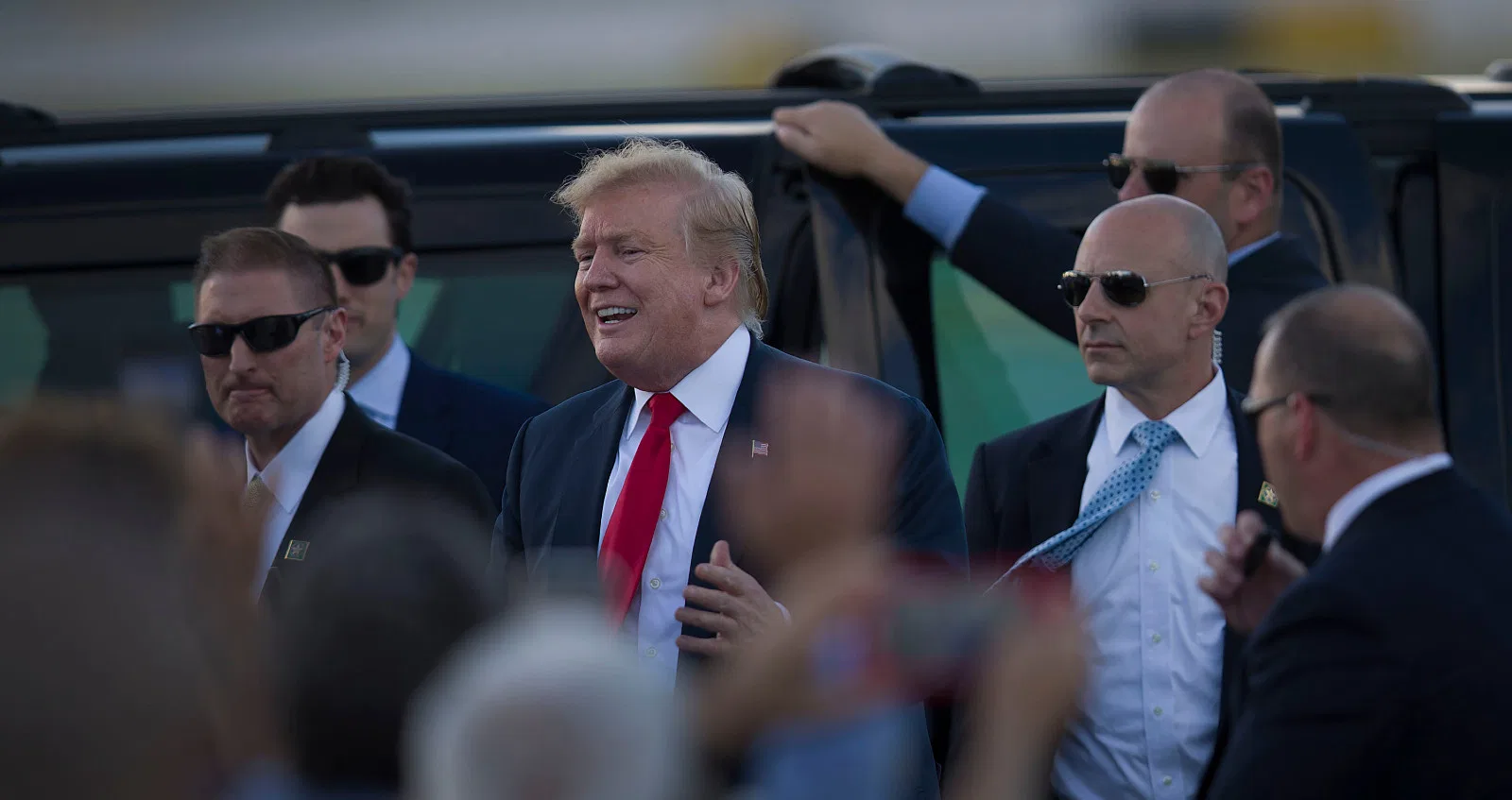
Matt Quinn, the agency’s deputy director, told CBS News on Wednesday that they “weren’t going to fire [their] way out of this,” but did say they are “laser focused on fixing the root cause of the problem.”
Quinn told the outlet that the agents received penalties ranging from 10 to 42 days of unpaid leave and were assigned to restricted roles with reduced responsibilities upon their return. He added that the disciplinary measures followed a federally mandated process.
The agency faced intense criticism after the security breach that enabled gunman Thomas Crooks to open fire toward the stage at a rally in Butler, Pennsylvania, on July 13, 2024.
Corey Comperatore, a 50-year-old firefighter, father, and husband attending the event, was killed. President Trump was grazed by a bullet, and two other men were wounded by the gunfire. Crooks was ultimately killed by a Secret Service sniper.
“Secret Service is totally accountable for Butler,” Quinn told CBS. “Butler was an operational failure and we are focused today on ensuring that it never happens again.” He also said the agency is focusing on the “root cause” of the operational failure and fixing “the deficiencies that put us in that situation.”
Since the Butler rally, Quinn stated that the Secret Service has deployed a new fleet of military-grade drones and mobile command posts to enhance radio communications with local law enforcement, Fox News reported.
The agency faced renewed criticism weeks later following a second assassination attempt on Trump in West Palm Beach, Florida. Although the attempt was thwarted, then-Secret Service Director Kimberly Cheatle resigned, and the agency became the focus of multiple investigations and congressional hearings.
In December, a bipartisan House task force released a 180-page report declaring the Butler incident “preventable,” pointing to “preexisting” leadership and training deficiencies that “created an environment” conducive to security failures.
The report also noted that Secret Service did not coordinate well with local law enforcement.
Trump made some comments last week regarding the government’s investigation into one of the assassination attempts against him last year.
In response to a reporter’s query on Friday, the president said he’s “very satisfied” with the FBI’s investigation into the assassination attempt against him in Pennsylvania.
Trump made his remarks to Daily Caller White House Correspondent Reagan Reese on Thursday, putting to rest months of speculation and doubt surrounding the case. Until now, Trump had stopped short of giving the FBI a full endorsement, The Daily Caller reported.
In an earlier interview with Fox News, he admitted some parts of the case didn’t sit right. “I’m relying on my people to tell me what it is … The Secret Service, they tell me, is fine. But it’s a little hard to believe,” he said.
Back in March, FBI Deputy Director Dan Bongino told Fox News there was no evidence of some grand conspiracy against Trump. “In some of these cases, the ‘there’ you’re looking for is not there. And I know people — I get it, I understand. It’s not there. If it was there, we would have told you,” Bongino said.
That same month, Daily Caller’s Reese pressed White House Press Secretary Karoline Leavitt about whether Trump was satisfied with Bongino’s answer.
Leavitt responded, “Well, in the lead-up to your question, you answered your own question with the president’s own words, and I’ll leave it at that.”
In May, Bongino announced investigations into some well-known cases that involve “potential public corruption.”
The cases, which appeared to be ignored during the administration of former President Joe Biden, that are getting a new look include the attempted pipe-bombing in Washington, D.C., cocaine that was found at the White House, and the leak of the Supreme Court’s Dobbs decision that ended Roe v. Wade.
A MOTHER FOUND… A FAMILY SHATTERED: The Tragic Death of Nancy Guthrie and the Shocking Arrest That Revealed a Betrayal No One Saw Coming .🚨”. ee
A MOTHER FOUND… A FAMILY SHATTERED: The Tragic Death of Nancy Guthrie and the Shocking Arrest That Revealed a Betrayal No One Saw Coming
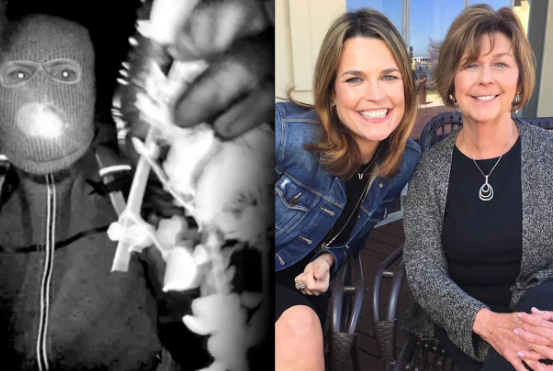
The story of Nancy Guthrie began as a mystery that captured attention and concern.
At 84 years old, she was known as a quiet, deeply loved figure whose disappearance sent shockwaves through both her community and those who followed the case closely.
In the early days, the narrative seemed tragically familiar—a possible kidnapping.
Authorities searched tirelessly, neighbors spoke in hushed tones, and hope remained fragile but alive.
For her daughter, Savannah Guthrie, the uncertainty was perhaps the hardest part.
Waiting without answers can be more painful than facing the truth itself.
But as the investigation unfolded, subtle shifts began to emerge.

What once appeared to be an external threat slowly revealed signs of something closer to home.
Investigators, working methodically, began to piece together details that did not align with the initial assumptions. Timelines were reexamined.
Statements were revisited. And slowly, a different picture began to form.
When authorities confirmed that Nancy Guthrie had been found deceased, the emotional weight of the case deepened instantly.
It was no longer a search—it was a loss.
Then came the revelation that stunned everyone.
Tommaso Cioni, her stepfather, was arrested in connection with her death.
The news transformed the case overnight.
What had been viewed as a possible crime by an unknown perpetrator was now understood as something far more personal—a betrayal rooted within the family itself.
According to early reports, investigators are exploring motives tied to financial disputes and issues surrounding inheritance.
While details remain under investigation, the idea that greed and conflict could lead to such a tragic outcome has left many struggling to process what happened.
Because beyond the legal implications lies something deeper.
This is not just a case about crime. It is a story about trust—broken in the most profound way.
Families are often seen as places of safety, of unconditional support, of shared history.
To imagine harm coming from within that circle challenges something fundamental in how people understand relationships.
For those close to Nancy Guthrie, the grief is layered.
There is the pain of losing someone they loved.
There is the shock of how it happened.
And there is the haunting question of whether anything could have been done differently.
For Savannah Guthrie, the tragedy is deeply personal.
Known for her composure and professionalism, she now faces a reality no public role can prepare someone for—the loss of a parent under circumstances that are both devastating and complex.
Public reaction has been immediate and emotional.
Messages of support have poured in, reflecting a shared sense of sorrow and disbelief.
Many have expressed sympathy not only for the loss itself, but for the painful way in which the truth emerged.
At the same time, the case has sparked broader conversations.
About the pressures that can exist within families.
About the role of financial conflict in shaping relationships.
And about the importance of addressing tensions before they escalate into something irreversible.
May you like
As the legal process begins, there will be many questions still to answer.
What exactly happened in the final moments?