Chapter 7 - The Iron Network
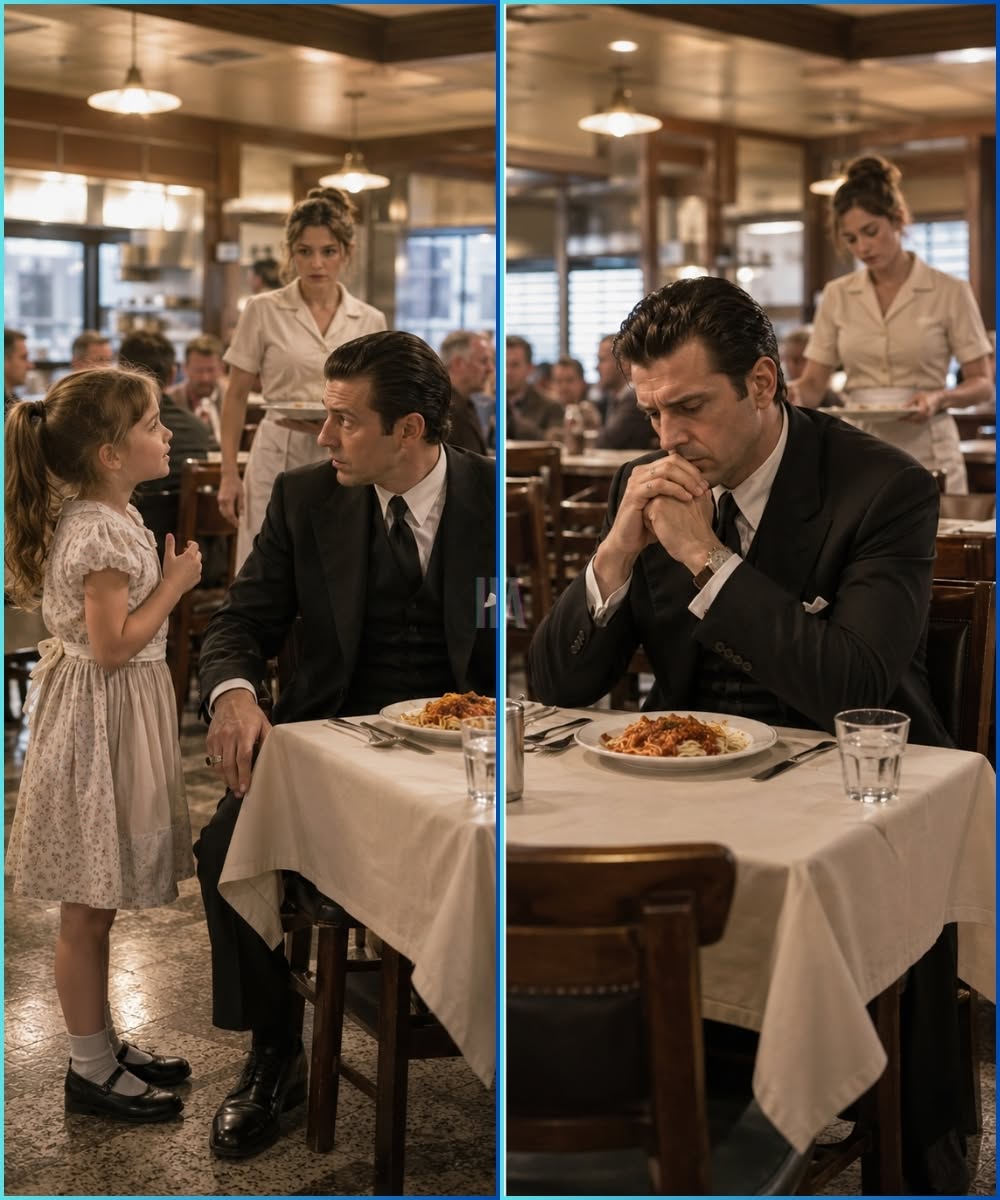
The war for the West Loop didn't happen with sirens and explosions on the nightly news. It happened in the quiet, carpeted back rooms of City Hall, in the loading docks of the Chicago River, and in the private banking apps used by the city’s most powerful labor unions.
Over the next three weeks, Adrian Russo executed a systematic, financial execution of the Marcone family’s infrastructure.
First, the teamsters union—whose pension fund was managed by a bank Adrian controlled—refused to deliver liquor or meat to any restaurant or club owned by the South Side syndicate. Within ten days, the Marcones' primary revenue streams began to dry up as their high-end speakeasies and gambling dens ran out of stock.
Next, Adrian’s construction companies bought out the municipal debt on the South Side docks where the Marcones brought in their grey-market luxury cars and imported tobacco. By the first of July, the city’s port authority issued an emergency closure order on the Marcone piers, citing structural cracks in the concrete that Adrian’s engineers had conveniently discovered.
Donald Marcone, the seventy-year-old patriarch of the South Side, was being choked out by a man who hadn't fired a single shot.
On a Thursday night, the rain returned to Chicago, heavy and black, flooding the gutters along Grand Avenue. Sullivan’s Diner was empty except for Nora, who was counting the register, and Adrian, who sat at table seven with a cup of black coffee that had gone cold an hour ago.
The front door opened slowly, the bell chiming a low, flat tone.
An old man walked in. He didn't wear a sharp suit or a corporate coat; he wore a faded leather jacket that smelled of old cigars and garlic, his hands tucked deep into his pockets. It was Donald Marcone himself. He didn't bring his nephews or his soldiers. He walked with a slight limp, his gray eyes cloudy with age and defeat.
He walked past the counter without looking at Nora and sat down in the booth directly across from Adrian Russo.
“Adrian,” the old man said, his voice like dry leaves scraping across a driveway.
“Donald,” Adrian replied, not moving his hands from his coffee cup.
Donald Marcone looked around the clean, bright diner, his gaze resting for a moment on the ladybug backpack hanging from a hook by the kitchen door. “My nephew Leo is an idiot. He thinks with his teeth instead of his head. He didn't know the girl’s father was nothing to you.”
“The father is nothing,” Adrian said. “The girl is everything.”
Donald sighed, a heavy, rattling breath that seemed to deflate his old chest. “You’re ruining my family, Adrian. The docks are locked up. The teamsters won't even look at my boys. We’re losing forty grand a week because of a waitress from Cicero. It’s not business. It’s pride.”
“It’s ledger work, Donald,” Adrian said, leaning forward, his gray eyes fixing the old man to his seat. “Your family owes a debt to this city that you started forty-five years ago. You took things that didn't belong to you because you thought the people in the tenements didn't have names. I’m just here to collect the interest.”
Donald Marcone looked at Adrian’s face, and for the first time, he saw the boy from forty-five years ago—the boy whose father had been broken in a tenement flat while the South Side laughed. The realization hit the old mob boss like a physical blow, his fingers trembling against the white tablecloth.
“The boy...” Donald whispered. “You’re Maria Russo’s kid.”
“I am,” Adrian said. “And this block is as far north as your family ever comes. You sign the release papers for Javier’s debt. You clear Nora’s name from every book you own. And you take Leo and send him to Miami before Frank finds him in an alley. If you do that tonight, I let the teamsters deliver your beef tomorrow morning. If you don't, I buy your house in Palos Hills on Monday and turn it into a shelter for single mothers.”
Donald Marcone sat in silence for a long time, the rain drumming against the glass behind him like a ticking clock. Finally, he reached into his leather jacket, pulled out a thick fountain pen, and signed the three legal documents Eleanor Vance had left on the table an hour earlier.
May you like



He stood up, looking older than the city itself. “You won, Adrian. But a man who fights for a waitress and a child... you’re soft. The city will find out you have a throat they can cut.”
“Let them try,” Adrian said, his voice rising just enough for Nora to hear it from the register. “They’ll find out the throat is made of iron.”







