Chapter 7 - The Calibration of the Valley
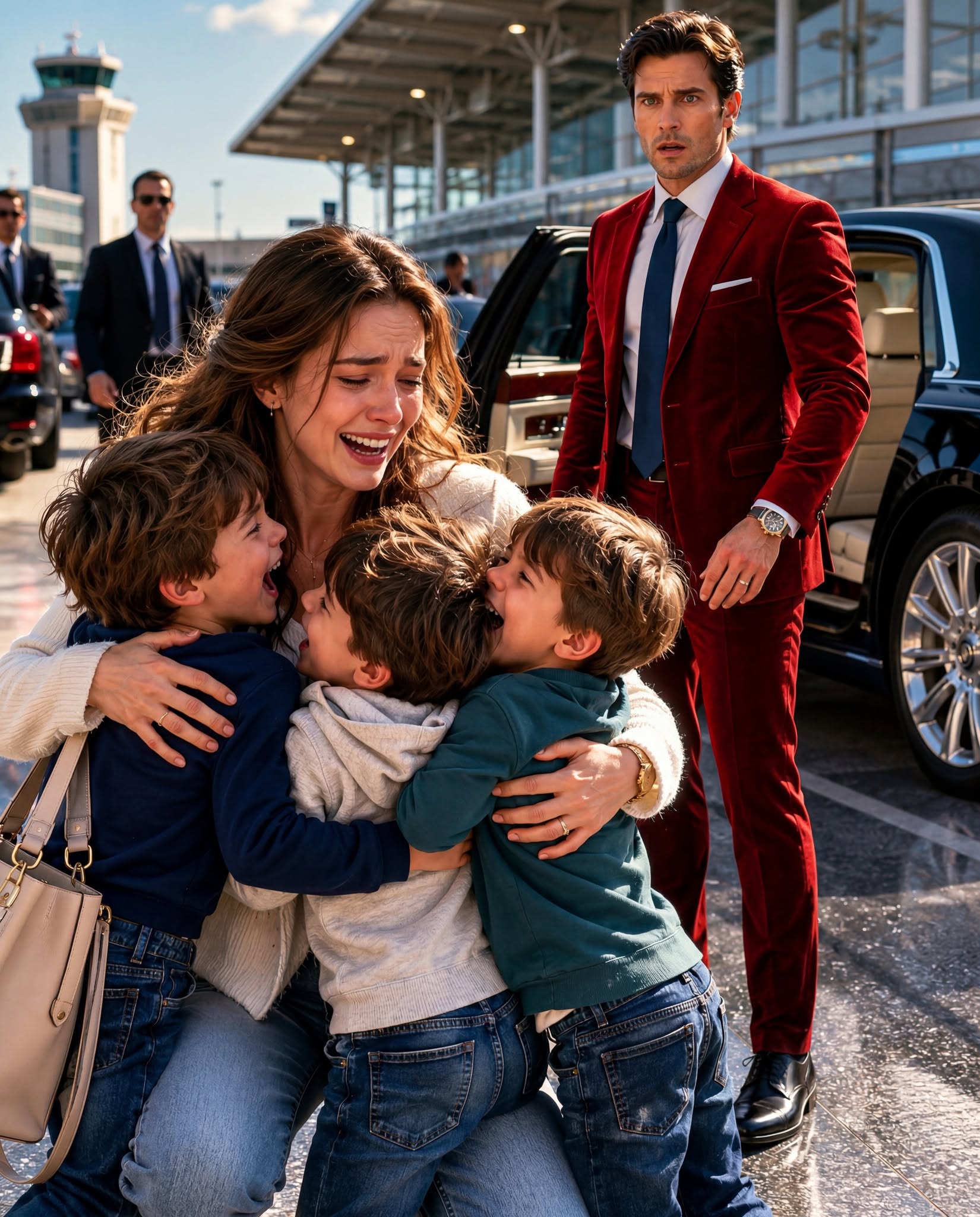
The winter of 2026 returned to Northern Illinois with a fierce, clean cold that froze the edges of Lake Michigan into jagged ridges of green ice. The oaks along our lane stood bare and white against the gray sky, their branches clicking in the north wind like old gears turning in an empty mill.
It had been three months since the incident with Victoria’s lawyers. Ryan hadn't gone back to New York. He had purchased an old, defunct foundry building in Waukegan, ten miles north of our estate, and converted the ground floor into a private research laboratory. He didn't have a public relations team or a board of directors there; he had twelve young mechanics from the local trade schools and three of his old engineering buddies from Columbia who had quit Calloway Global the week after the New York IPO collapsed.
On a Saturday afternoon in December, I walked through the heavy iron doors of the Waukegan laboratory, my coat collar turned up against the draft.
The space smelled of machine oil, ozone, and fresh pine shavings. At the center of the main bay stood a massive, twelve-foot prototype of a solid-state battery array—the exact design Ryan and I had abandoned five years ago during our final argument in the Manhattan penthouse.
Ryan was standing on a rolling ladder against the side of the casing, his face smudged with black graphite grease, a digital multimeter held between his teeth as he adjusted the terminal leads. Below him, sitting on a row of clean wooden crates, were Nathan, Caleb, and Noah. They were wearing miniature blue denim work shirts with the words Carter-Calloway Labs embroidered across the pockets in green thread, their small faces tilted up toward their father with absolute, unblinking fascination.
"The internal resistance is dropping, Caleb," Ryan said, taking the meter out of his mouth and smiling down at his second son. "Look at the blue needle on the terminal block. When it hits zero point zero two, that means the lithium ions are moving through the ceramic separator without losing any heat. That’s what your mommy’s thesis was about in 2020."
"Did Mommy build the big box?" Nathan asked, his legs swinging against the wood of his crate.
"Mommy built the brain of the box, Nathan," Ryan said softly, sliding down the ladder and wiping his greasy hands on an old shop towel. He looked across the concrete floor, his green eyes catching mine as I stepped into the yellow light of the overhead halogen lamps. The deep, permanent lines of arrogance that had defined his profile in New York were gone, replaced by the simple, weathered health of a man who spent his nights calculating load weights instead of stock dividends. "I just built the cage to keep it from exploding."
He walked over to me, his boots clicking on the concrete, and stopped two inches away. He didn't reach for my hand; he simply stood there, his breath white in the cold air of the foundry, his face completely exposed.
"The New York board accepted the settlement terms this morning, Emily," Ryan said, his voice dropping into a quiet, steady murmur. "Calloway Global has been split into two separate entities. The commercial grid stays in Manhattan under my mother’s trust... but I kept the patents. All of them. The clean-tech patents, the solid-state battery rights, and the old laboratory equipment from Queens. They've all been transferred to a new firm registered here in Cook County."
May you like



"Why did you do that, Ryan?" I asked, looking up at the massive blue casing of the prototype. "The commercial grid was worth six billion dollars. The research division is nothing but liabilities and field trials for the next three years."
"Because the commercial grid didn't have your name on the title, Em," he whispered, his hand rising slowly until his thumb brushed a stray lock of hair away from my forehead. His touch was warm, slightly rough from the tools, and entirely steady. "I spent five years believing that a billion-dollar valuation was the only proof that I wasn't just a poor kid from the Bronx who got lucky. But looking at these boys... looking at this machine... I realized that the value isn't in the monopoly, Emily. It’s in the engineer who knows how to fix the circuit when the lights go out."







