Chapter 3 - The First Ten Days
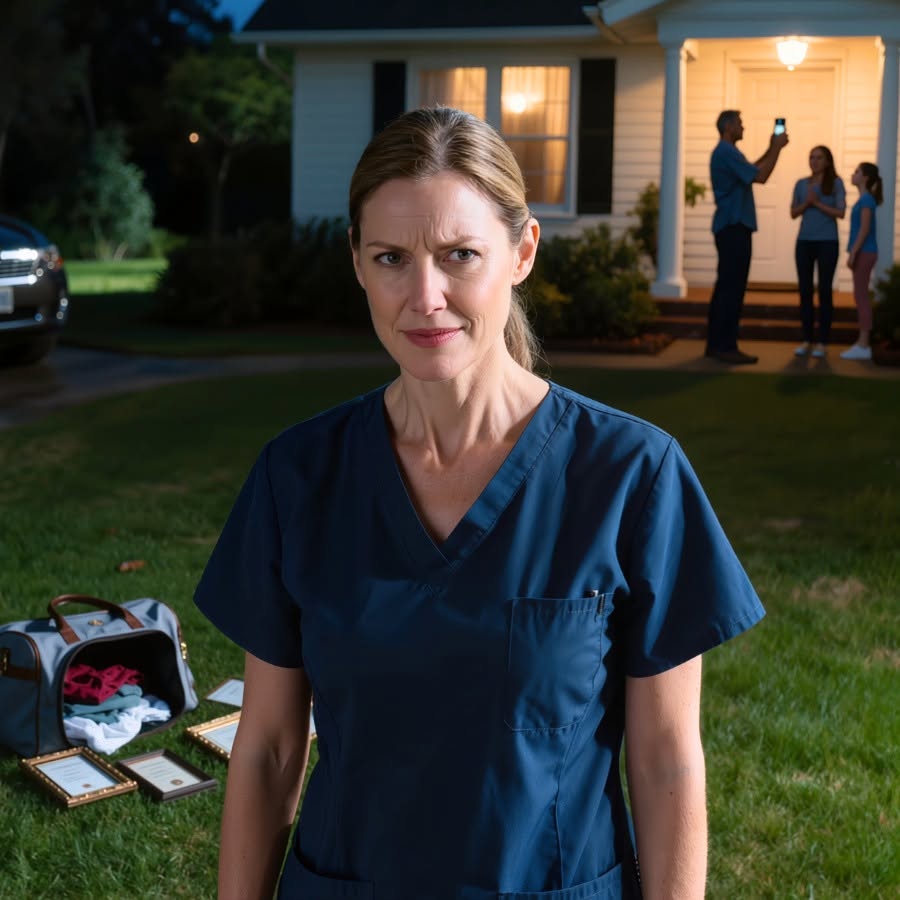
The duplex on the county line became my fortress. Noah wasn't kidding about the kitchen floor—if I dropped a pen near the refrigerator, it rolled straight to the sink—but to me, it was the most beautiful architecture in the world. I spent my mornings scrubbing the old porcelain tub with bleach and my afternoons working double shifts at the hospital.
I didn't change my phone number. Noah had advised me against it. “Let them send the messages,” he’d said while helping me lug my two salvaged tote bins up the wooden porch steps. “Every text they send is a receipt of who they are when they think nobody’s looking.”
By day five, the narrative from the big white house on Elm Street had already mutated three times, exactly as the recording predicted.
[ The Revisionist Timeline: Messages from Mother ]
----------------------------------------------------------------------
Day 2 (3:15 AM): "You are acting completely unstable, Savannah. Come home."
Day 4 (1:20 PM): "Your father was just stressed about the lawn care. Don't be dramatic."
Day 6 (8:45 PM): "We are telling the aunts you went on an extended retreat. Delete that video."
They had realized I was recording. When I loaded my car that night, my phone had been sitting in the breast pocket of my scrub top, the voice-memo app active since I’d been logging Buster’s respiratory rates before leaving the clinic. They didn't know how much I had, but they knew I wasn't clearing the board.
My sister, Chloe, tried a different tactic. On the eighth day, she posted a heavily filtered photo on her social media grid. It was an old picture of the two of us at the beach from four years ago, captioned: “Family isn't always perfect, but the door is always open for the ones who want to heal. Missing my big sister tonight. #Healing #FamilyFirst”
The comments below were a flood of sympathy from local neighbors and church members."Praying for her return, Chloe.""You have such a good heart, looking out for her."
I sat on my tilting kitchen floor, eating a bowl of cereal, and took a screenshot of the post. I didn't comment. I didn't report it. I simply slid it into the folder titled When They Start Lying.
The performance was seamless, but it was missing one thing: the audience was getting restless at home. Richard Brooks required an object for his rage. He needed someone to sit across from him at the dinner table and absorb the weight of his failures—his stalled real estate investments, his rising blood pressure, his absolute terror of looking ordinary to the people across the street. With me gone, the house had become an echo chamber.
On the ninth night, a massive storm hit the county, knocking out the power grid across three townships. The emergency room at the hospital was a war zone. Trees had fallen through roofs; ancient wires had snapped, and by 1:00 a.m., we had three separate canine patients in the trauma bay who had been hit by cars in the blinding rain.
I was working the triage desk, my hands covered in iodine, when my personal phone began to vibrate against the counter.
It wasn't a call. It was a sequence of text alerts. One after another, the vibrations came so fast they sounded like a small, mechanical heartbeat against the stainless steel.
I finished wrapping a spaniel’s forelimb before I reached down to clear the screen. It was 2:04 a.m.
The text was from Chloe. It didn't have emojis. It didn't have the soft, public-facing language of her beach posts.
Chloe (2:02 AM): He can’t sleep. Savannah, seriously, answer your phone. He’s out on the porch right now and he’s tearing up the garage. Mom is locked in the guest bedroom. You need to call him and tell him you’re sorry so he stops.
May you like



I stared at the screen. The spaniel gave a low whine beside me, and I reached out to soothe its ears mechanically, my eyes locked on the words: He can’t sleep.
I didn't answer. I opened the voice memo from ten days ago, listened to the sound of my father’s roar over the noise of the rain outside, and deleted the notification from my screen.







