Chapter 3 - The Cipher in the Flour
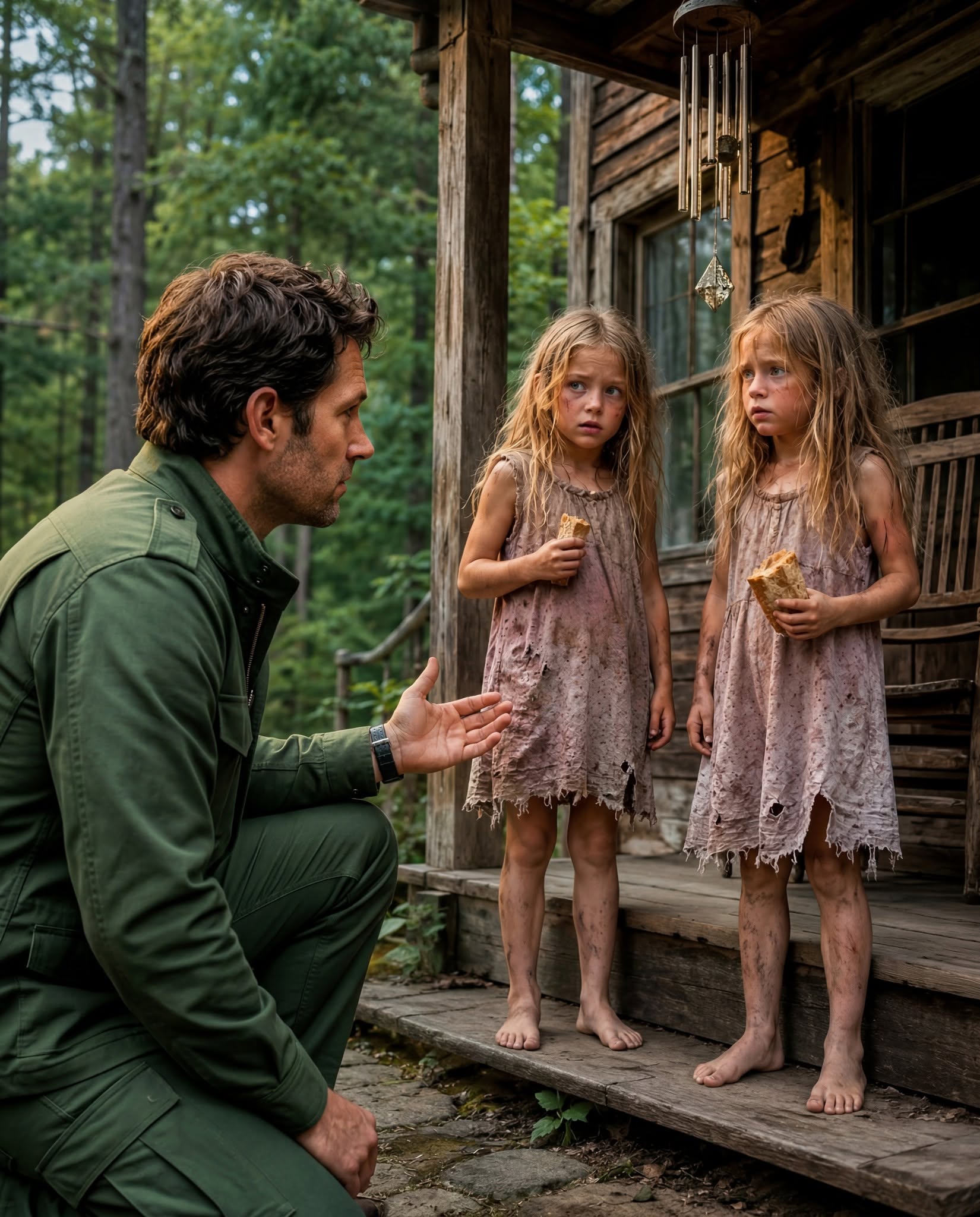
The thunderstorm hit the Blue Ridge with a violence that made the old cedar beams groan. Rain lashed against the windowpanes like handfuls of gravel, and the lightning cast long, skeletal shadows across the living room floor.
I had moved the twins to the small sofa near the stone hearth, wrapping them in Olivia’s old patchwork quilt. After two bowls of canned chicken soup—the only edible thing left in the pantry that hadn't expired—their eyes had turned heavy, their small heads nodding against each other’s shoulders until they drifted into a deep, exhausted sleep.
Even in their sleep, they didn't let go of the stale bread. It lay between them like a boundary marker.
I sat at the wooden dining table, the single oil lamp casting a yellow circle over the old documents I had pulled from my briefcase. But I wasn't looking at investment portfolios. I was looking at a photograph of my wife.
Olivia. She had been a botanical researcher for the state university, a woman who knew the Latin name of every weed and the medicinal property of every root on these slopes. The brain tumor had taken her in less than six months, a cruel, rapid erosion that left me holding an empty hand in a sterile hospital room.
“Olivia said you would come.”
The words repeated in my ears like a broken record. How could two children, who couldn't have been more than four years old when Olivia died, know her name? How could they know about the trail?
I stood up, the restlessness in my limbs driving me toward the kitchen. I needed to move, to search, to find the thread connecting this madness to the woman I had buried three years ago.
The kitchen cabinets were mostly empty, save for old tins of tea and salt. But as I reached into the deep corner cupboard near the floorboards, my hand struck something solid behind the old stoneware flour bin.
A tin box. An old Liberty tea tin, its edges rusted red.
I pulled it out, my heart hammering against my ribs. I knew this box. Olivia used to keep her seed packets in it. But when I pried the lid open with a butter knife, there were no seeds inside.
There was a thick, leather-bound field journal. Olivia’s handwriting—neat, precise, written in waterproof green ink—filled the pages.
I flipped toward the back, past pages of sketches of ginseng roots and yellow fringed orchids. The dates on the final entries made my blood freeze. They were from the last two months of her life, during the weeks when she told me she was "taking long walks to clear her head" while I was stuck in corporate meetings in Charlotte.
October 14. The logging on the north ridge isn't legal. I found the boundary markers today. Someone has shifted the state park line by nearly three hundred yards. It’s Caleb’s family—the Vance clan. They aren't just cutting timber; they’re clearing the upper hollow for something else. I saw the containers. I saw the trucks.
October 22. They saw me today. Caleb followed me down to the creek. He didn't say anything, but he was carrying his grandfather’s old 30-30. I can’t tell Ethan. He’s already working twenty hours a week trying to pay for the new trial drugs, and if he thinks I’m in danger, he’ll blow the whole ridge apart with his corporate lawyers. I have to handle this through the forestry service.
November 3. A woman came to the cabin while Ethan was in town. Her name is Martha Vance. Caleb’s sister. She was terrified. She was pregnant—twins, she thinks. She told me Caleb is building a compound in the deep hollow. If she tries to leave, he told her he’d bury her under the slash piles. I gave her the key to the back shed. I told her if things went dark, to leave a sign in the old flour bin.
I dropped the journal onto the table, the pages fluttering in the draft.
May you like



I looked over at the sofa, where the two little girls lay tucked beneath the quilt. They weren't Martha’s nieces. They were Martha’s daughters.
And their mother was somewhere out in that dark, rain-soaked forest. Or worse.







