Chapter 8 - The Transition
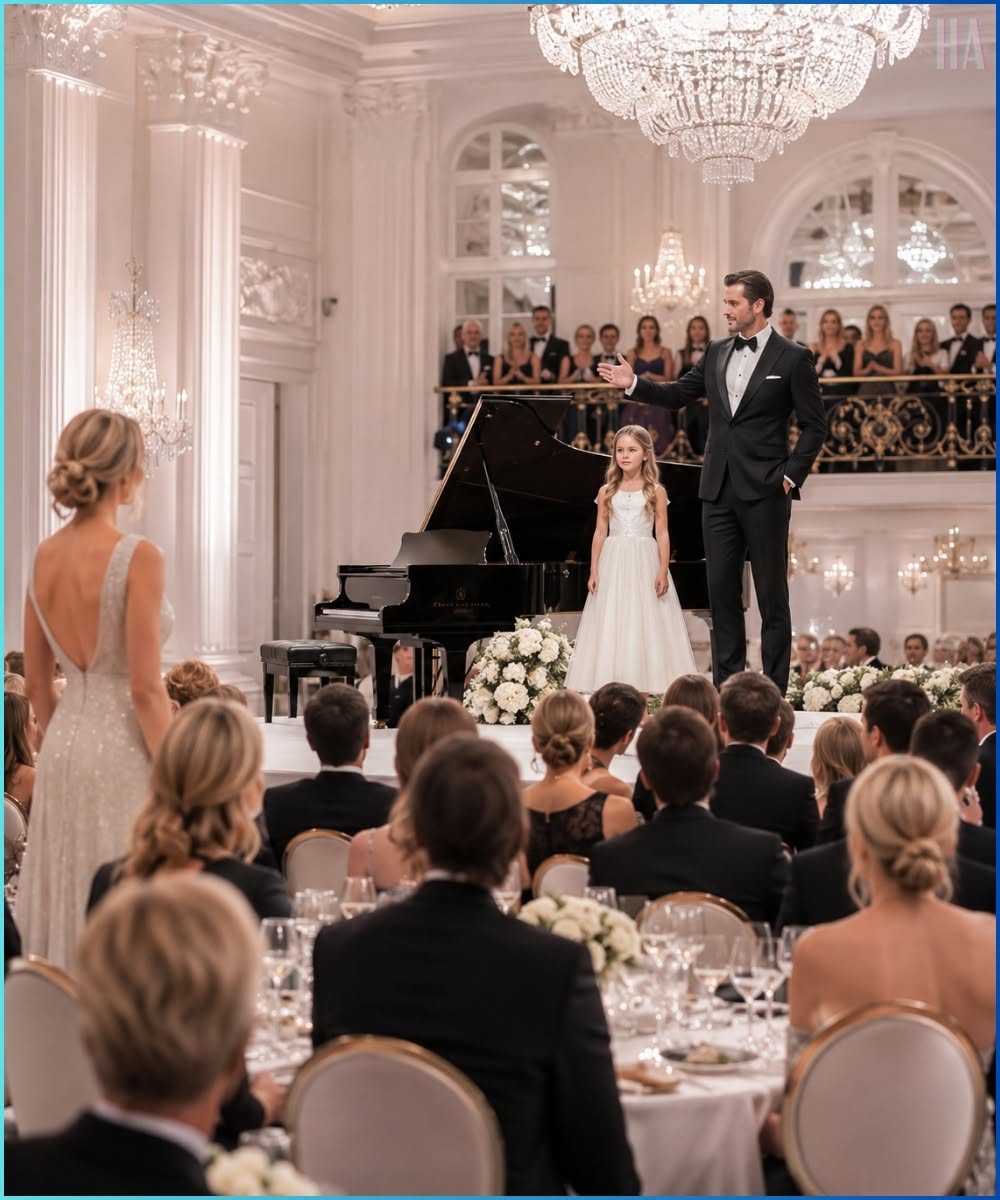
The transition didn't happen overnight, but for the first time in eleven years, the movement was forward, not backward.
Fiona Laurent's divorce settlement was swift and expensive. Lawson didn't fight her for the luxury properties or the European vacation homes; he traded them all to ensure absolute joint custody of Meadow, ensuring that the two sisters would not be separated by a bitter court battle. To Meadow’s credit, she didn't harbor the resentment her mother did. When she discovered she had an older sister who played the piano, her response was a sweet, nine-year-old excitement. She wanted Ruby to play the music for her ballet routines.
Lawson kept his word regarding the relocation, but he didn't buy a massive, cold mansion in the hills to intimidate us. Instead, he purchased a beautiful, historic craftsman home in an old Portland neighborhood, with a massive sunroom that looked out over a garden of wild roses and pine trees.
He didn't force me to live there with him; he put the deed to the house entirely in my name, ensuring that I would never feel like an accessory in his world again.
"It's your home, Clara," he told me the day he handed me the keys, standing on the wrap-around porch while the movers rolled a brand-new Steinway grand piano into the living room—not a donation to a school, but a gift to his daughter. "You raised her. You gave her that gift. I'm just trying to make sure she has the room she needs to stretch her wings."
Ruby’s scholarship at Westridge was reinstated with an official, public apology from the school's board of trustees. But Ruby chose not to go back. She told Lawson she wanted to attend the public arts academy downtown, a place where the kids wore denim jackets and practiced their instruments on the fire escapes. Lawson didn't argue. He drove her there himself every morning in a standard, unpretentious hybrid SUV, sitting in the front seat with a travel mug of coffee, watching her walk through the front doors with her music folder under her arm.
One Friday evening, a year after the recital that had shattered our lives, the sunroom of the craftsman house was filled with the warm, amber light of a late summer sunset.
I sat on the sofa, a cup of chamomile tea steaming in my hands, watching the scene in front of me.
Ruby sat at the Steinway piano, her long fingers moving across the keys with a relaxed, beautiful fluidness. She wasn't playing a melancholic Chopin piece tonight; she was playing a bright, rhythmic jazz melody she had learned at her new school.
Beside her on the bench sat Meadow, her chin resting in her hands, her silver ballet slippers kicking back and forth as she listened to her sister play.
And standing in the doorway, leaned against the wooden frame with his sleeves rolled up and his tie long gone, was Lawson. He didn't look like a billionaire founder anymore. He looked like a man who had finally found the only investment that mattered.
He caught me looking at him. He didn't offer the polished, charismatic smile that he used for the cameras. He offered a small, quiet, grateful expression—the smile of the boy I had loved in that one-bedroom apartment twelve years ago.
"Mom?" Ruby stopped playing, looking back over her shoulder. "Can we go get ice cream after this? Dad says he knows a place open late near the river."
I smiled, setting my tea down on the table. "Only if your dad is paying."
May you like



Lawson laughed, a rich, genuine sound that filled the warm room. He walked over to the piano, placing one hand on Ruby’s shoulder and the other on Meadow’s head.
"I'll buy the whole shop," he said softly, his eyes meeting mine across the twilight. "Whatever they want. We have all the time in the world."







