Chapter 2 - The Architecture of Cruelty
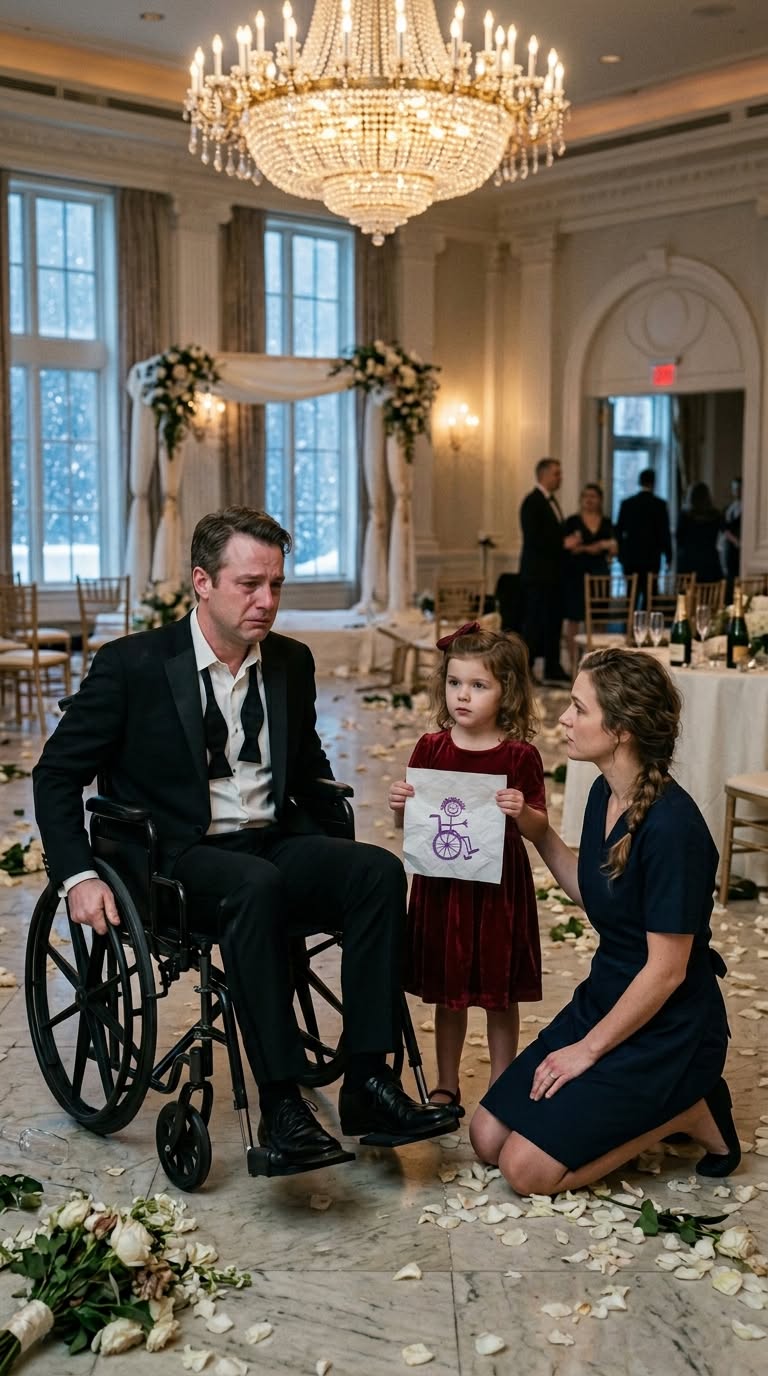
The aftermath of a canceled high-society wedding is not a quiet affair. It is a corporate restructuring disguised as a tragedy.
By 8:00 AM the next morning, the library of the Montgomery estate was overflowing with family lawyers, public relations consultants, and my mother’s frantic pacing. Evelyn Montgomery moved like a storm in Chanel tweed, her face tight from a sleepless night spent answering calls from the city’s top society editors.
"The Times is calling it the 'Gilded Flight,'" my sister Rachel said, looking up from her tablet with a look of profound disgust. "Vanessa’s publicist already released a statement claiming she suffered a 'mental health crisis' due to the emotional toll of the accident. She’s positioning herself as the tragic victim who just couldn't bear to see the man she loved reduced to... this."
Rachel waved her hand vaguely toward my wheelchair. She still wouldn't look directly at the metal frame.
"Let her have her story," I said, staring out the window at the gray, snow-covered lawns of Westchester. "It doesn't matter."
"It matters to the board of Montgomery Global, Richard!" my mother snapped, slamming her coffee cup onto a silver tray. "You are the CEO of a multi-billion-dollar shipping and real estate conglomerate. The market doesn't like instability. They certainly don't like a chief executive whose fiancée leaves him at the altar because he can no longer walk! The stock opened three points down this morning because the analysts are whispering that your... condition... has broken your spirit."
I turned my chair slowly to face her. The heavy leather tires made no sound on the Persian rug. "My spirit is fine, Mother. My legs are broken, not my brain."
"Then prove it," Evelyn said, her eyes narrowing. "Vanessa’s family controls the deep-water port leases in Savannah. If that wedding contract is completely dissolved without a structural counter-agreement, we lose our eastern shipping corridor. You need to settle with her quietly, sign a joint statement of mutual respect, and show the world you are still in control of this family."
"I am not signing anything that validates her cruelty," I said, my voice dropping into the cold, authoritative register that had made me the youngest managing director in the history of Wall Street. "She left a letter on a marble floor because she was afraid of a wheelchair. If the board thinks that makes me weak, they can call a vote of no confidence. But they won't, because I own fifty-one percent of the voting shares."
Rachel sighed, walking over to window. "Richard, be reasonable. You're isolating yourself. Ever since the helicopter crash in September, you've stayed locked in this house or the hospital. You don't go to the office, you don't attend the galas. You let Vanessa handle everything until she snapped."
"I was recovering from spinal trauma, Rachel."
"No," she said, finally looking at me, her eyes tight with a mixture of pity and fear. "You were hiding. And now that she’s gone, you have no choice but to let the world see you."
They left an hour later, leaving behind a mountain of legal briefs and draft press releases that felt like a secondary prison. I rolled myself out of the library and down the long, accessible ramp I had forced my mother to install in the west wing.
The house was empty, save for the quiet movements of the housekeeping staff. I found myself wandering toward the grand ballroom where the wreckage of the previous night had been cleared away. The three hundred chairs were gone, the white aisle runner removed, the marble floors polished until they shone like ice.
Near the grand fireplace, I stopped.
On the mantle piece, tucked behind an expensive silver candelabra, was a small piece of paper. I reached up, my shoulders straining slightly against the height, and pulled it down.
It was a wrinkled paper napkin.
Woven onto the white paper in thick, clumsy purple crayon was the stick figure sitting in a wheeled chair, sporting a massive, lopsided smile. And at the bottom, in neat, hurried handwriting that clearly belonged to an adult, was a phone number and a name: Hope — Late-Shift Catering Support.
I stared at the purple drawing for a long time. The corporate wolves were at my door, my family was mourning my utility rather than my heartbreak, and my former fiancée was spinning a web of lies to protect her social standing.
May you like



But here, in my hand, was a piece of pure innocence that didn't ask me for a shipping lease or a public relations statement.
I pulled my cell phone from my jacket pocket and dialed the number before my corporate brain could tell me it was a mistake.







