Chapter 9 - The View from the River
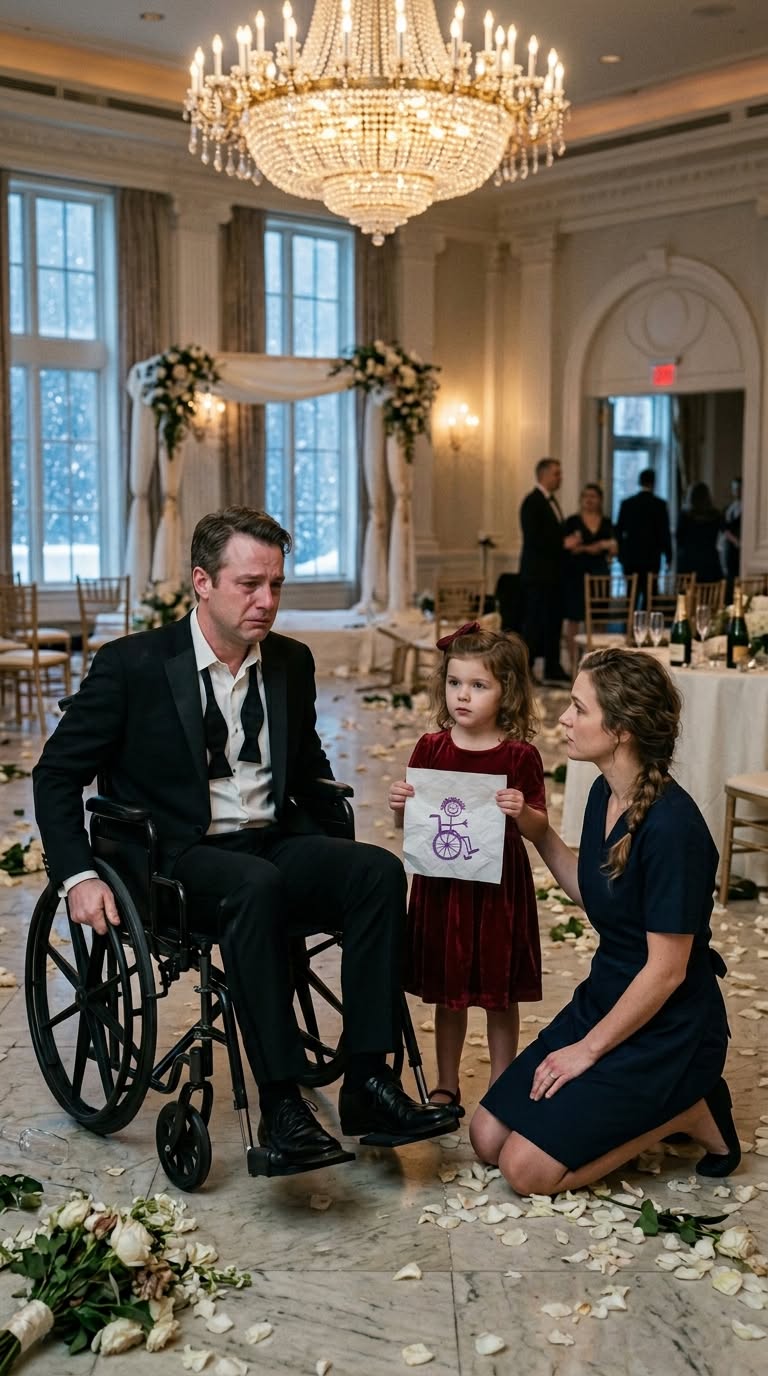
Two years later. July, 2026.
The morning sun over the East River was hot and bright, turning the water into a sheet of dancing silver.
I sat on the wide, accessible wooden deck of our apartment at The Lily Sanctuary, the breeze from the water moving the pages of the morning financial reports in my lap. I was thirty-seven years old, the CEO of an international conglomerate, and a man who hadn't stood on his own two feet in nearly three years.
And I had never been happier.
The glass doors slid open behind me, and Hope walked out, wearing a simple white linen shirt and shorts, her hair loose and curling around her shoulders in the humid air. She carried a tray with two cups of black coffee and a small plate of sliced strawberries.
"Lily is already down at the river park with Marcus," she said, setting the tray onto the low table beside my chair. She sat down in the deck chair beside me, her long legs stretching out toward the railing. "She insisted on wearing her yellow rain boots even though it’s eighty degrees out."
"She’s an independent contractor," I said, smiling as I took my coffee mug. "You can't dictate her uniform."
Hope laughed, a rich, warm sound that had become the daily soundtrack of my life. She leaned over, resting her chin on my shoulder, her fingers tracing the silver frame of my wheel.
The Montgomery family name was no longer synonymous with the cold, exclusive towers of Wall Street. It was associated with urban renewal, with universal design, and with a corporate philosophy that measured success by the accessibility of its communities rather than the height of its walls. Vanessa’s family had settled out of court two years prior, their shipping empire absorbed into our logistics division after the federal audits were finalized. They were gone, a temporary shadow that had dissolved under the sun.
But here, on this wooden deck, the foundation was permanent.
I looked out at the river, where a massive cargo ship carrying the Montgomery Global insignia was moving slowly toward the harbor, its horn blowing once—a deep, resonant sound that carried across the water like a greeting.
"What are you thinking about, Richard?" Hope asked softly, her breath warm against my neck.
I turned my head slightly, my lips brushing her cheek, the taste of coffee and summer sweet between us. I reached into my pocket, my fingers finding the small, wrinkled piece of paper I had carried with me every single day since that December night in the ballroom.
I pulled out Lily’s purple drawing. The paper was faded now, the edges slightly frayed from two years of being moved from suit pocket to suit pocket. But the stick figure in the wheeled chair was still there, its massive, lopsided smile as bright and defiant as ever.
"I’m thinking about the truth, Hope," I said, my voice low and filled with a peace that reached all the way down to my quiet spine. "I’m thinking about how everyone in that room—all three hundred billionaires, all the lawyers, all the publicists—looked at my chair and saw an ending."
May you like



I folded the paper gently, placing it back over my heart.
"And one little girl walked in with a purple crayon," I said, looking into my wife’s dark, beautiful eyes, "and showed me it was just the blueprint for a beginning."







